Laser Tattoo Removal
Specialised laser technology to safely target and break down tattoo pigment within the skin.
What is Laser Tattoo Removal?
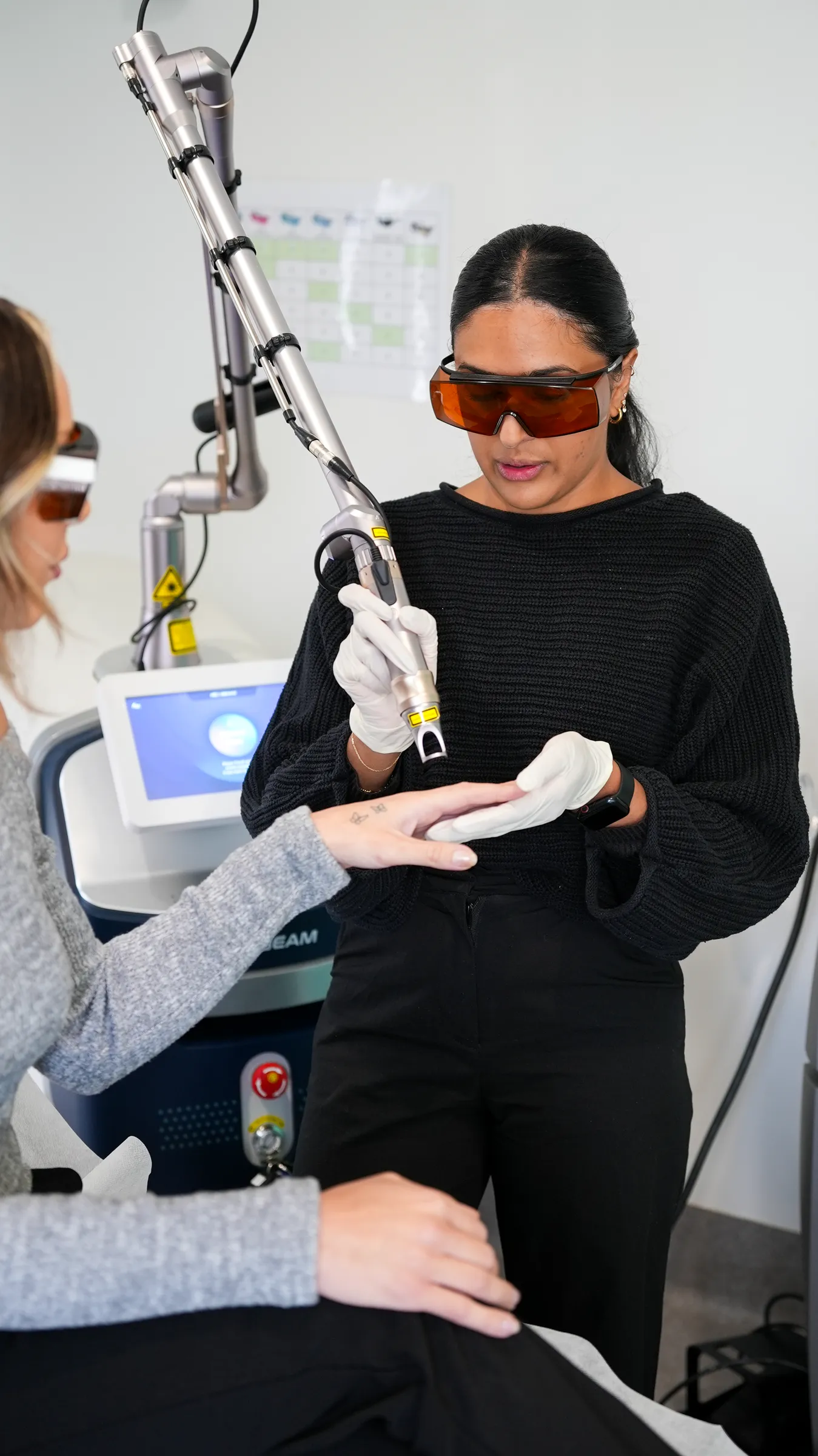
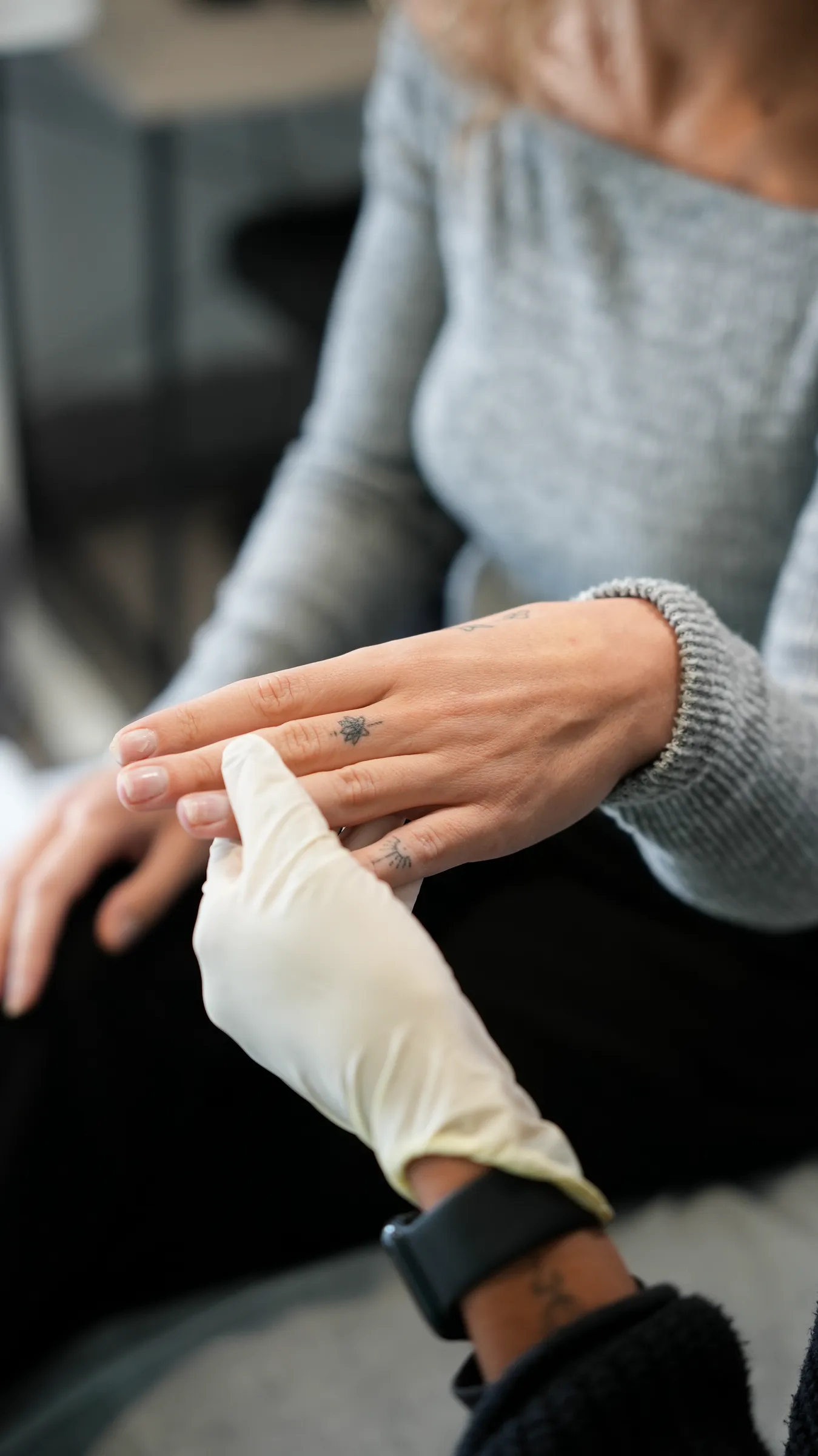
Laser tattoo removal uses specialised laser technology to safely target and break down tattoo pigment within the skin. The laser energy is selectively absorbed by the tattoo ink, fragmenting the pigment into smaller particles that can then be gradually cleared by the body's natural processes.
At a glance
- Treatment time
- 15–45 min
- Downtime
- Minimal to moderate downtime
- Sessions
- Multiple sessions
- Indications
- Unwanted tattoos & tattoo pigment
- Price
- From $99
Treatment time depends on the size and complexity of the tattoo. The number of treatments required varies significantly between individuals and tattoos. Complete removal cannot always be guaranteed.
What can Laser Tattoo Removal treat?
- 01Unwanted professional tattoos
- 02Amateur tattoos
- 03Cosmetic tattoo pigment
- 04Black and dark-coloured tattoo ink
- 05Selected coloured tattoo pigments
- 06Partial tattoo removal
- 07Fading tattoos prior to cover-up designs
The response to treatment varies depending on the colour, composition, depth and age of the tattoo.
What is involved in Laser Tattoo Removal?
Treatment begins with cleansing the skin and assessing the tattoo, including its colour, size, location and previous treatment history.
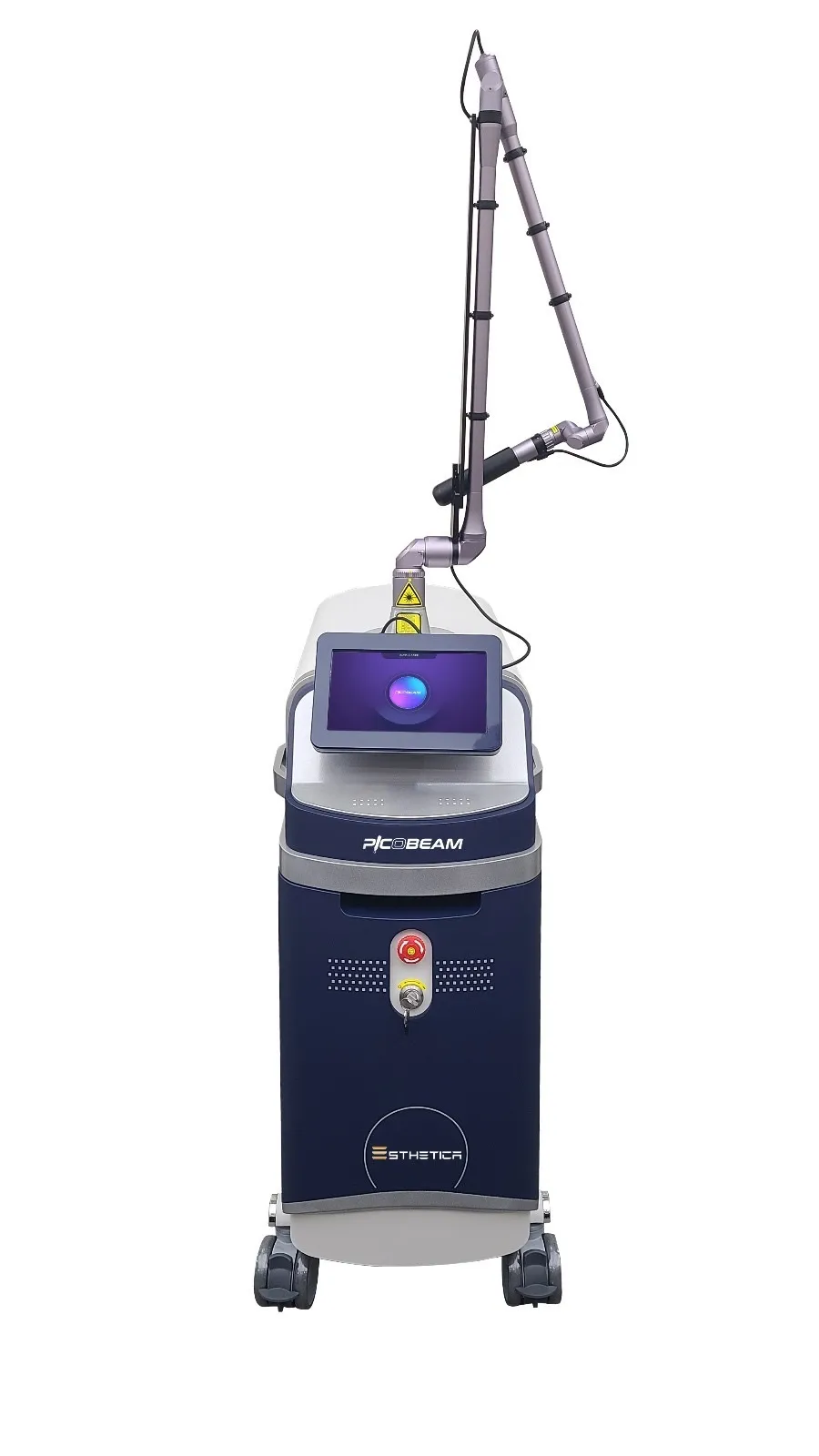
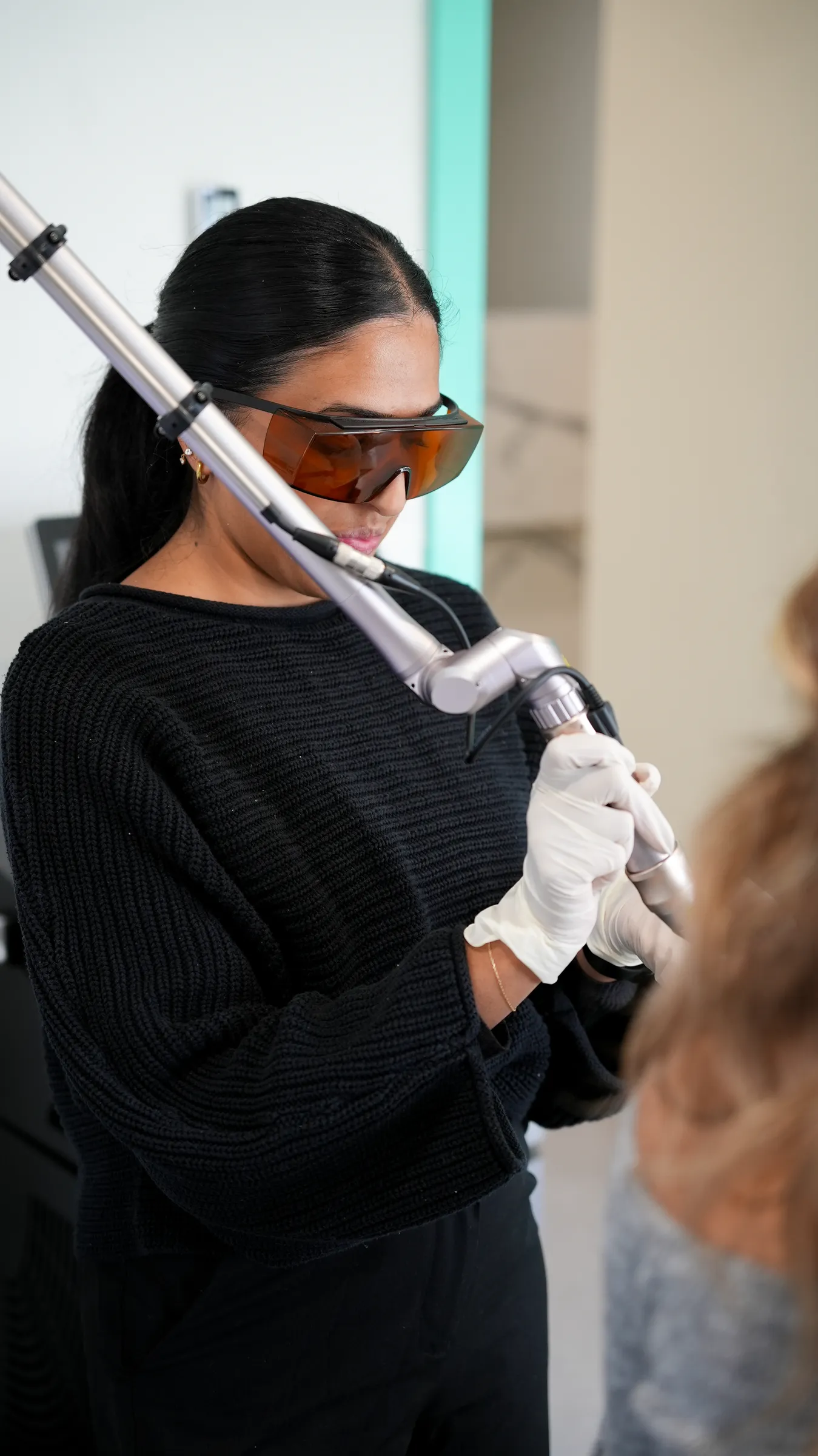
The laser handpiece is positioned over the tattoo and laser energy is delivered in short pulses. The energy is absorbed by the tattoo pigment, causing the ink particles to fragment into smaller particles.
During treatment, the tattoo may temporarily appear lighter or develop a frosted or whitening appearance. Mild redness, swelling and tenderness may occur following treatment.
The fragmented pigment is then gradually cleared by the body's natural immune and lymphatic processes over time.
How can Laser Tattoo Removal improve your concern?
Laser tattoo removal works through selective photothermolysis, where specific laser wavelengths target tattoo pigment while aiming to minimise damage to the surrounding skin.
The laser breaks larger ink particles into smaller fragments that the body can gradually remove. With repeated treatments and adequate healing time between sessions, the tattoo progressively fades.
Different tattoo colours absorb different wavelengths, so treatment settings and laser wavelengths are selected according to the specific pigment being treated.
How to prepare for Laser Tattoo Removal
To help minimise the risk of complications and support optimal healing:
- 01
Protect from the sun
Avoid excessive sun exposure and tanning before treatment. Use broad-spectrum SPF 50+ sunscreen daily.
- 02
Do not intentionally tan the treatment area before your appointment.
- 03
Pause active skincare
Avoid applying irritating active skincare products to the treatment area before treatment.
- 04
Avoid waxing or other treatments that may irritate the skin in the treatment area.
- 05
Arrive with clean skin
Arrive with clean skin, free from makeup, creams or other products over the tattoo.
- 06
Share your history
Inform your clinician about any medications, medical conditions, previous tattoo-removal treatments or changes to the tattoo.
- 07
Inform your clinician if you have a history of abnormal scarring or pigmentation changes.
- 08
Flag any skin changes
If the area has active irritation, infection, broken skin or a rash, inform your clinician before treatment.
Your clinician will assess the tattoo and surrounding skin before treatment and provide personalised preparation instructions.
Book a consultation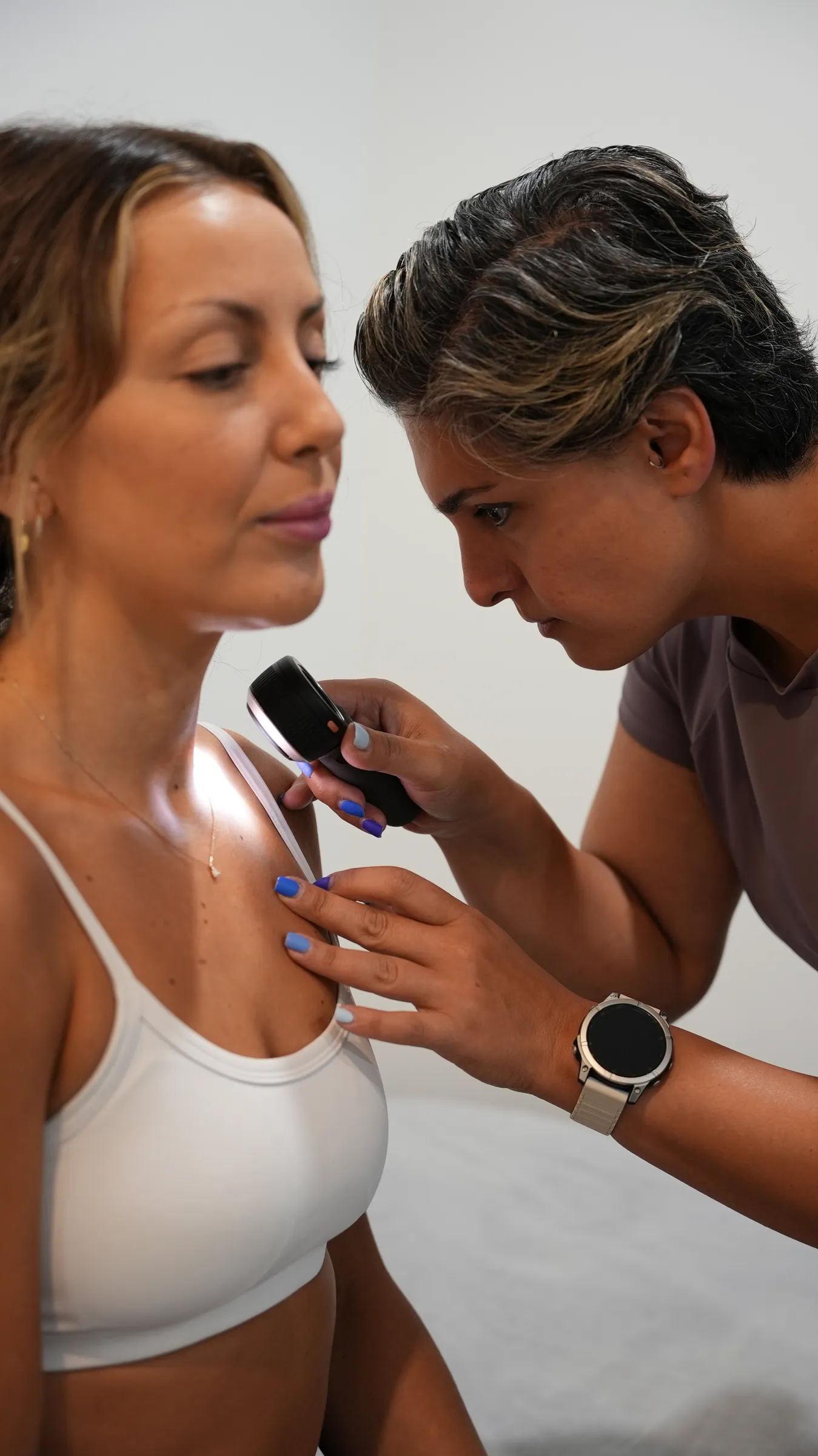
After your treatment
The treated area may be red, swollen, tender or warm following treatment. Some tattoos may also develop small blisters, crusting or scabbing as part of the healing response.
Keep the treated area clean and follow your clinician's wound-care instructions.
Apply the recommended aftercare product as directed.
Protect the area from direct sun exposure and apply SPF 50+ once the skin has healed sufficiently.
Do not pick, scratch or remove blisters, crusts or scabs.
Avoid friction or pressure over the treated area.
Avoid swimming, spas and activities that may expose the area to contamination until the skin has healed.
Avoid applying irritating skincare products to the treatment area during the healing period.
Follow all individualised aftercare instructions provided by your clinician.
What can be done to complement Laser Tattoo Removal?
Tattoo removal is generally performed as a standalone treatment. Your clinician may recommend additional care to support the healing process, including:
If the goal is to fade a tattoo before a cover-up, your clinician can coordinate the treatment schedule around the planned tattooing process.
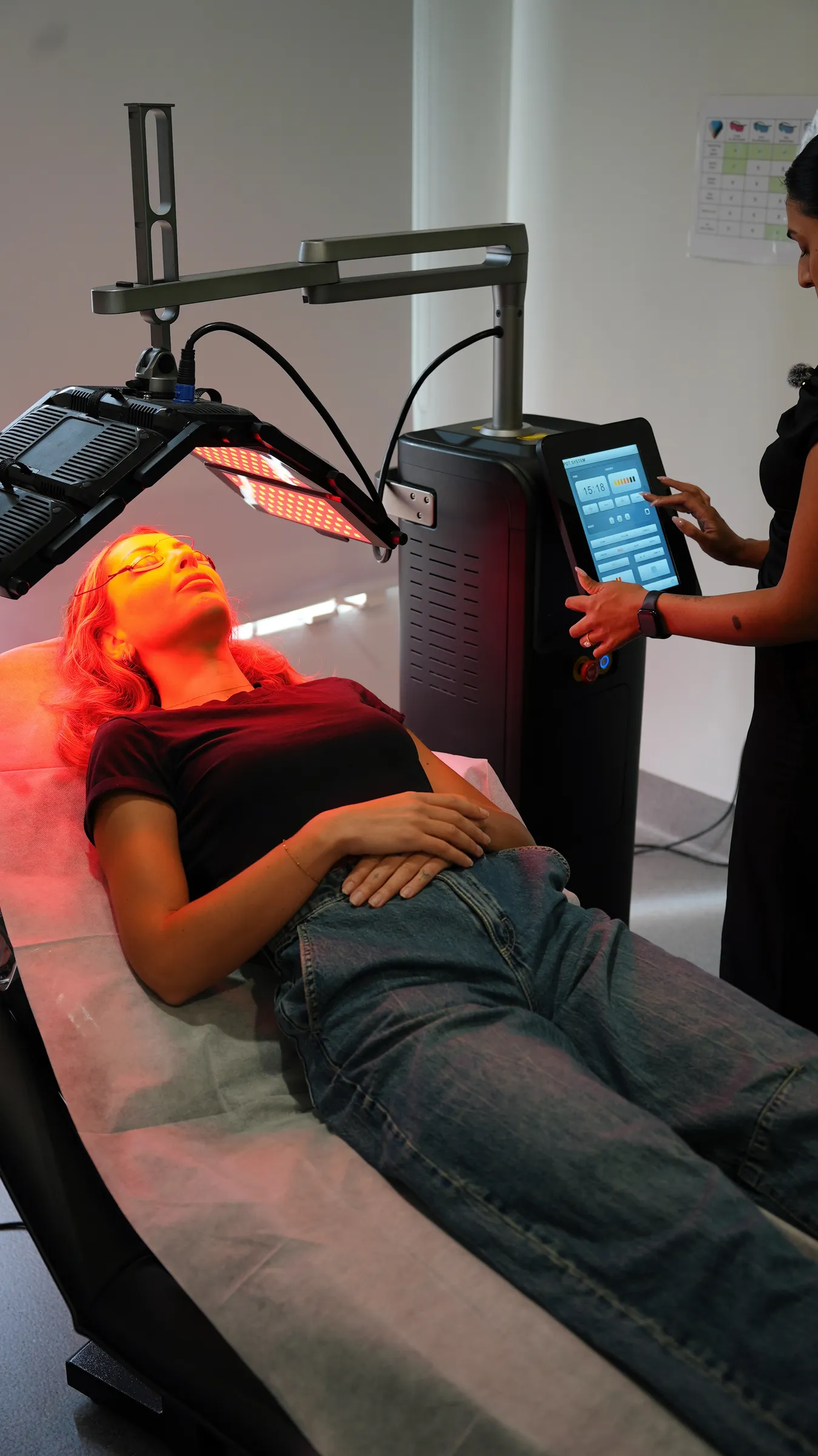 LED Light Therapy
- Scar management
Frequently asked questions.
Anything not covered here is best discussed in your consultation.
Laser tattoo removal can cause a sharp snapping or stinging sensation. Patients commonly describe the sensation as similar to a rubber-band snap against the skin.
The level of discomfort varies depending on the tattoo's location, size, density and individual sensitivity. Cooling and other comfort measures may be used where appropriate.
There is generally no requirement to stop normal daily activities, but the treated area requires a period of healing.
Redness, swelling, tenderness and temporary whitening of the tattoo are common. Some patients may also develop blistering, crusting or scabbing.
Tattoo fading occurs gradually rather than immediately. Following treatment, the body requires time to clear the fragmented ink particles.
The tattoo will progressively become lighter with each treatment, although the rate of fading varies significantly between individuals.
There is no fixed number of treatments required for tattoo removal. Many tattoos require multiple treatment sessions, with adequate healing time between appointments.
The number of treatments depends on factors including tattoo colour, ink type, depth, density, size, location, age and individual immune response.
Your clinician will assess your tattoo and provide an estimated treatment plan, although complete removal cannot always be guaranteed.
Different colours respond differently to laser treatment because tattoo pigments absorb different wavelengths of light.
Black and darker pigments generally respond well to appropriate laser wavelengths, while some lighter colours can be more challenging to remove. Your clinician will assess the tattoo pigment before treatment.
Certain cosmetic tattoo pigments can be treated with laser; however, cosmetic tattoo removal requires particular care because some pigments may contain ingredients that can darken or change colour when exposed to laser energy.
A consultation and test patch may be recommended before proceeding.
Laser tattoo removal is designed to selectively target tattoo pigment while minimising injury to the surrounding skin. However, complications such as changes in pigmentation, blistering, scarring or textural changes can occur.
Following pre- and post-treatment instructions carefully can help reduce the risk of complications.
Laser tattoo removal can be performed on a range of skin types, but darker skin requires careful assessment and appropriate treatment settings because of the increased risk of temporary or persistent pigmentation changes.
Your clinician will assess your skin type and pigmentation risk before treatment.
Yes. Laser treatment can be used to selectively fade specific areas of a tattoo, which may be appropriate if you are planning a cover-up or wish to modify part of an existing design.
Adequate time must be allowed between treatments for the skin to heal and for the body to clear fragmented pigment. Treatment intervals are individualised based on the tattoo, treatment response and skin recovery.
Your clinician will recommend the appropriate interval between sessions.
If you are planning a cover up, the tattoo should be sufficiently faded and the skin fully healed before new tattooing takes place. Your clinician can advise on appropriate timing based on your treatment progress and skin recovery.
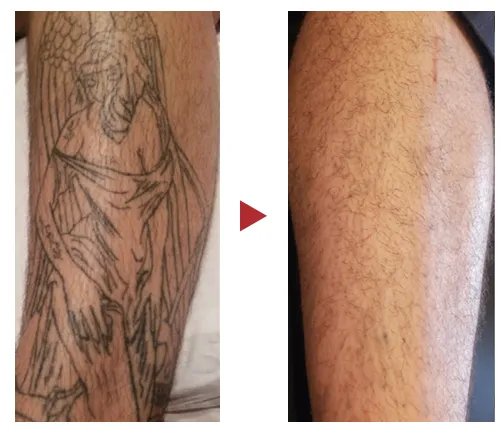
Before & after photos.
Individual results vary. Suitability and expected outcomes are discussed in consultation.
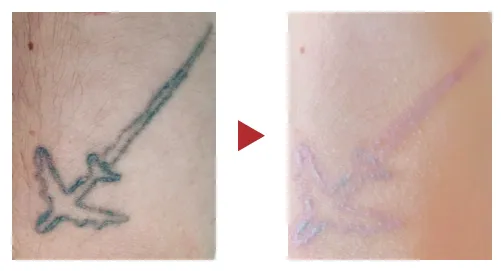
01 / 02
Pricing.
All pricing- Laser Tattoo Removal
- From $99
Assessment comes first.
Book a consultation- Nothing on this page is a diagnosis, and no treatment is recommended before you have been seen.
- Suitability depends on your skin, your history and your medications, which is what the consultation is for.
- If a concern is changing, painful, bleeding or new, have it assessed by a doctor rather than treated cosmetically.