PICO Toning
A non-ablative laser treatment that uses ultra-short picosecond laser pulses to target unwanted pigmentation and stimulate skin rejuvenation.
What is PICO Toning?
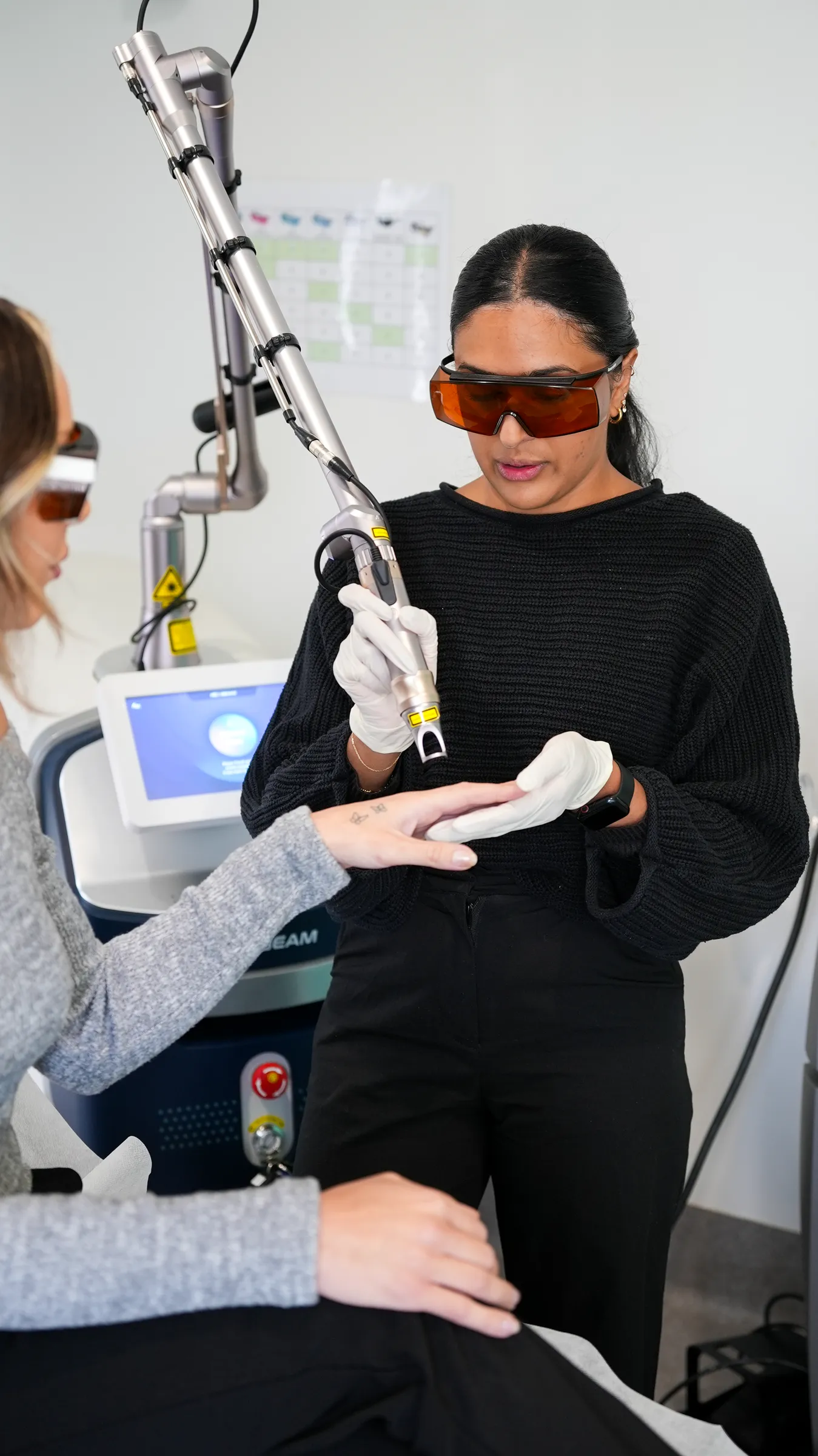
PICO Toning is a non-ablative laser treatment that uses ultra-short picosecond laser pulses to target unwanted pigmentation and stimulate skin rejuvenation. The rapid laser energy interacts with pigment within the skin, helping break it into smaller particles that can be gradually cleared by the body's natural processes.
At a glance
- Treatment time
- 30–45 min
- Downtime
- Minimal to no downtime
- Sessions
- 4–6+ sessions
- Indications
- Pigmentation, uneven skin tone & skin rejuvenation
- Price
- $190
The number of treatments required varies depending on the type and severity of pigmentation, skin type and individual response.
What skin concerns can PICO Toning improve?
- 01Uneven skin tone
- 02Superficial pigmentation
- 03Sun-related pigmentation
- 04Post-inflammatory pigmentation
- 05Freckles
- 06Mild melasma, where clinically appropriate
- 07Dull or uneven-looking skin
- 08Uneven skin texture
- 09Enlarged pores
- 10Fine lines
- 11Overall skin rejuvenation
What is involved in a PICO Toning treatment?
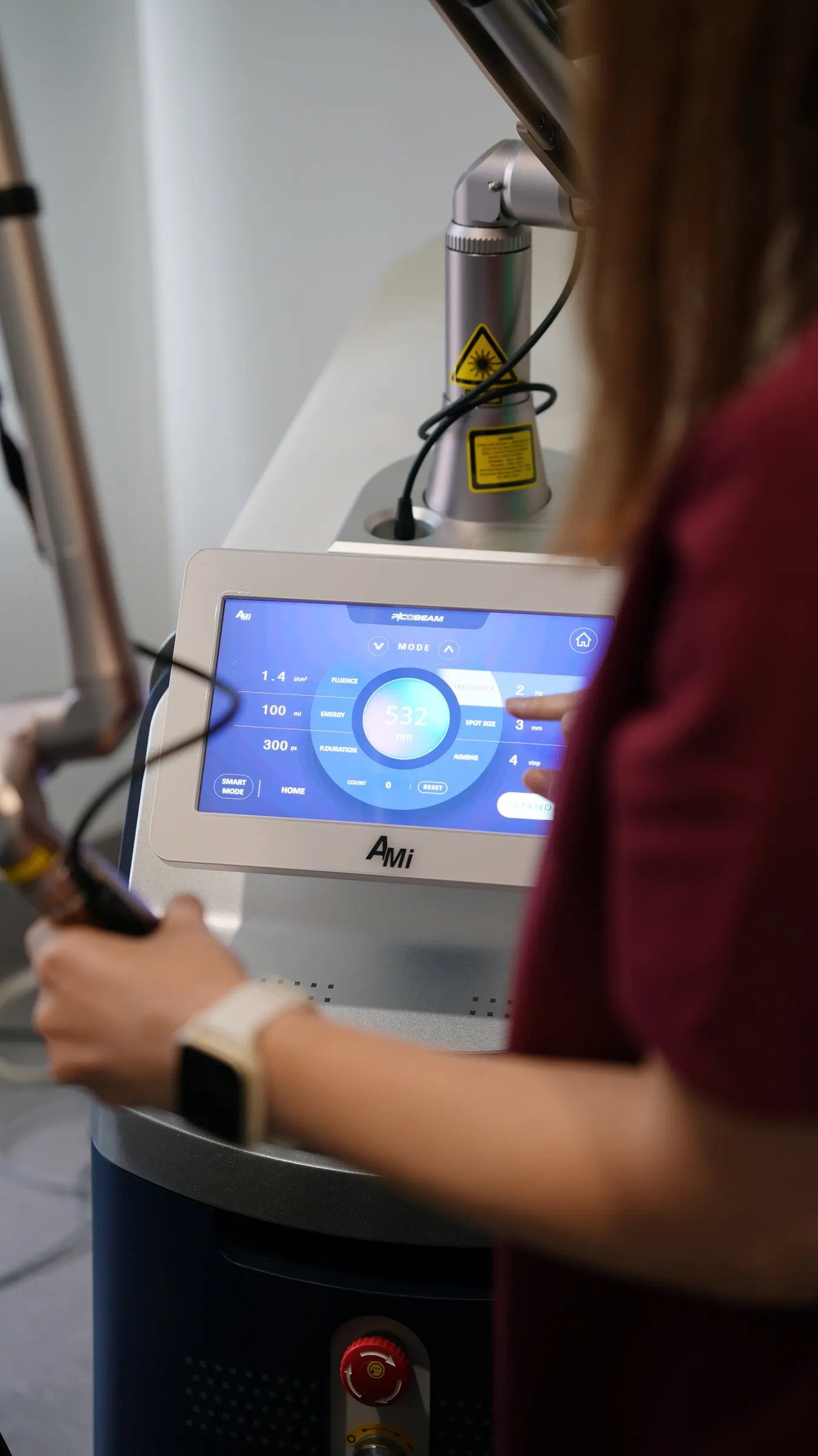
Treatment begins with a gentle cleanse of the skin to prepare the treatment area. Your clinician will assess your pigmentation and select the appropriate wavelength and treatment settings based on your skin type and concerns.
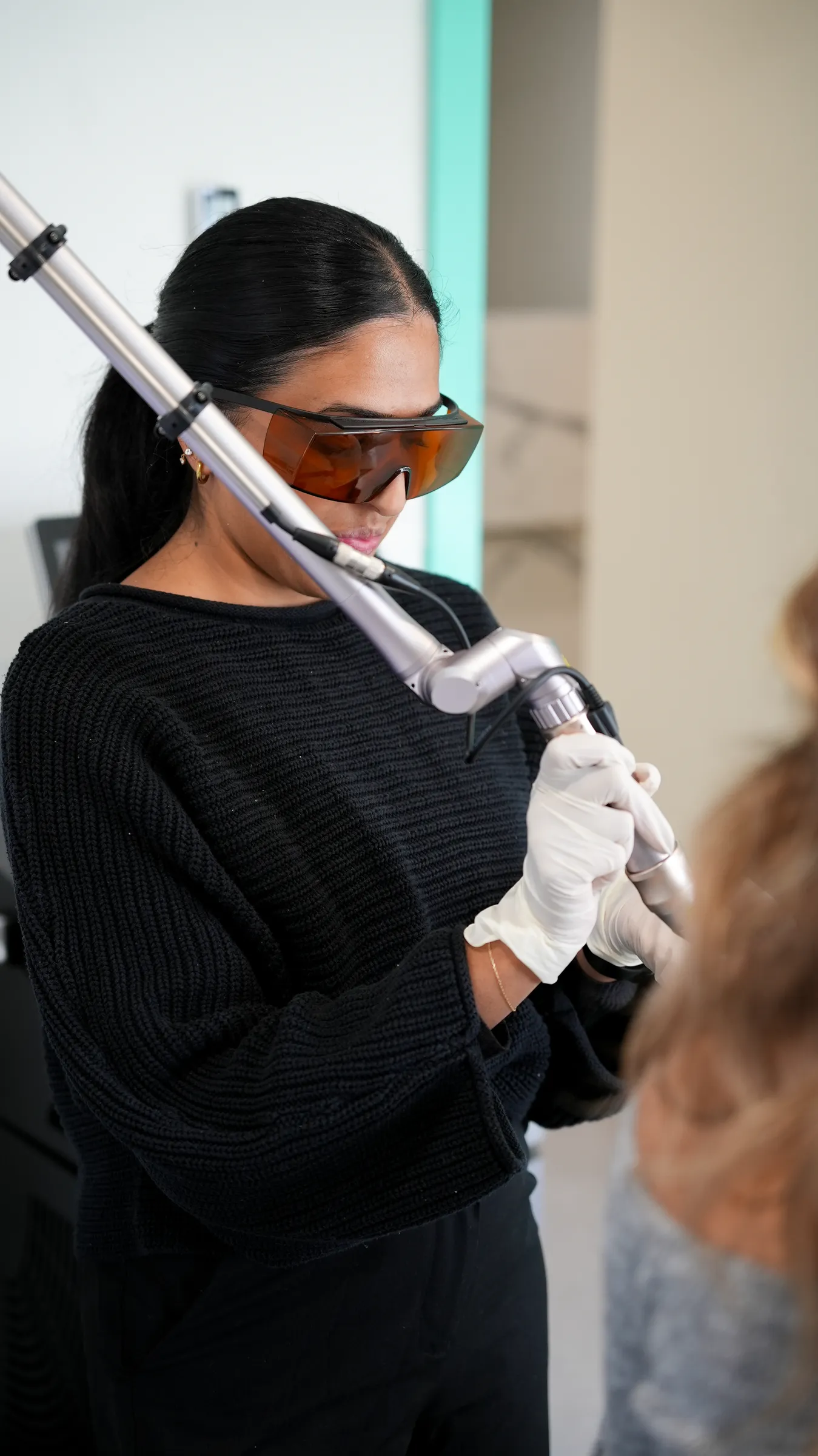
The PICO laser handpiece is systematically passed over the treatment area, delivering ultra-short picosecond pulses of laser energy into the skin. These rapid pulses target pigment while minimising thermal impact on the surrounding tissue.
The treatment is generally comfortable, with most patients describing a mild snapping or tingling sensation. Depending on the treatment settings and pigmentation being targeted, the skin may appear mildly pink or warm following treatment.
How can PICO Toning improve your skin concerns?
PICO Toning uses ultra-short pulses of laser energy to target pigment within the skin. Rather than relying primarily on prolonged heating, the picosecond pulse creates a rapid photomechanical effect that can fragment pigment into smaller particles.
These fragmented pigment particles can then be gradually cleared through the body's natural processes. The treatment may also stimulate dermal activity and collagen remodelling, supporting improvements in skin texture and overall skin quality.
With a course of treatments, PICO Toning can help create a more even, brighter and refined complexion.
How to prepare for PICO Toning treatment
Appropriate preparation is important, particularly when treating pigmentation, to help reduce the risk of irritation and post-inflammatory hyperpigmentation.
- 01
Protect from the sun
Avoid excessive sun exposure and tanning before treatment. Apply broad-spectrum SPF 50+ sunscreen daily.
- 02
No recent tanning
Avoid treatment over recently tanned or sunburned skin.
- 03
Pause active skincare
Avoid retinoids, strong exfoliating acids and other irritating active ingredients for the period recommended by your clinician.
- 04
Space out other treatments
Avoid aggressive skin treatments such as deep chemical peels or resurfacing procedures shortly before treatment unless advised by your clinician.
- 05
Arrive with clean skin
Arrive with clean skin, free from makeup, creams and other skincare products.
- 06
Share your history
Inform your clinician about all medications, skincare products and recent cosmetic treatments.
- 07
Inform your clinician if you have a history of pigmentation changes or post-inflammatory hyperpigmentation.
- 08
Flag any skin changes
If you have active irritation, infection, cold sores, open skin or an unexplained lesion in the treatment area, inform your clinician before treatment.
Your clinician will assess your skin and pigmentation before proceeding and provide personalised preparation instructions.
Book a consultation
After your treatment
PICO Toning generally involves minimal downtime, although mild redness, warmth or temporary sensitivity may occur.
Apply broad-spectrum SPF 50+ and minimise direct sun exposure.
Keep the skin hydrated with gentle, non-irritating skincare.
Avoid strong active ingredients and exfoliation until your skin has returned to normal or as advised by your clinician.
Avoid excessive heat, including saunas, steam rooms and very hot showers, immediately after treatment if your skin feels warm or sensitive.
Avoid picking, rubbing or aggressively cleansing the treated area.
Maintain consistent sun protection throughout your treatment course.
Follow any individualised aftercare instructions provided by your clinician.
What can be done to complement PICO Toning?
PICO Toning can be incorporated into a comprehensive pigmentation and skin-rejuvenation program alongside:
For pigmentation concerns such as melasma, a consistent skincare and sun-protection program is particularly important to support long-term results.
- Medical-grade pigment-inhibiting skincare
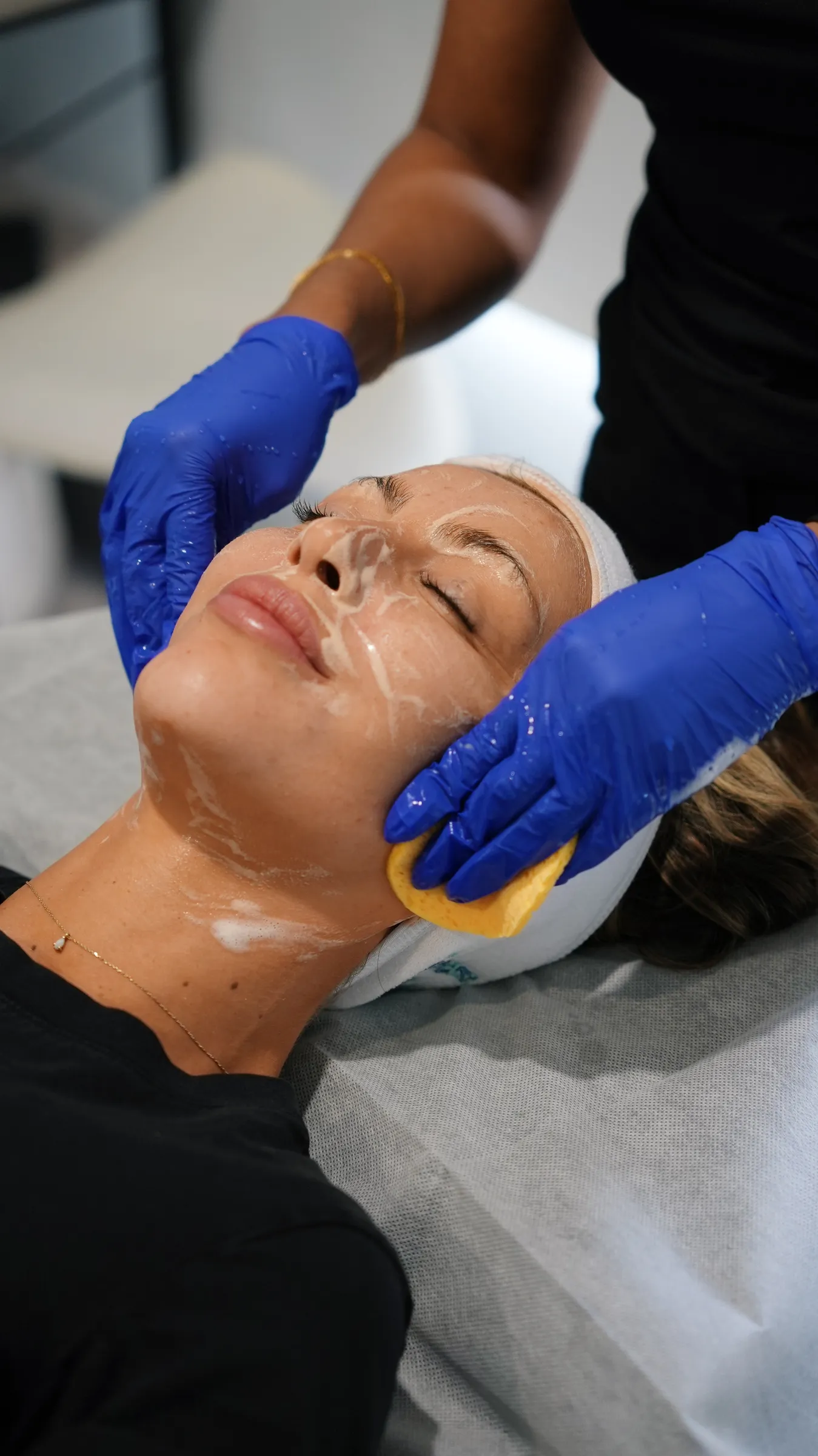 Chemical Peels
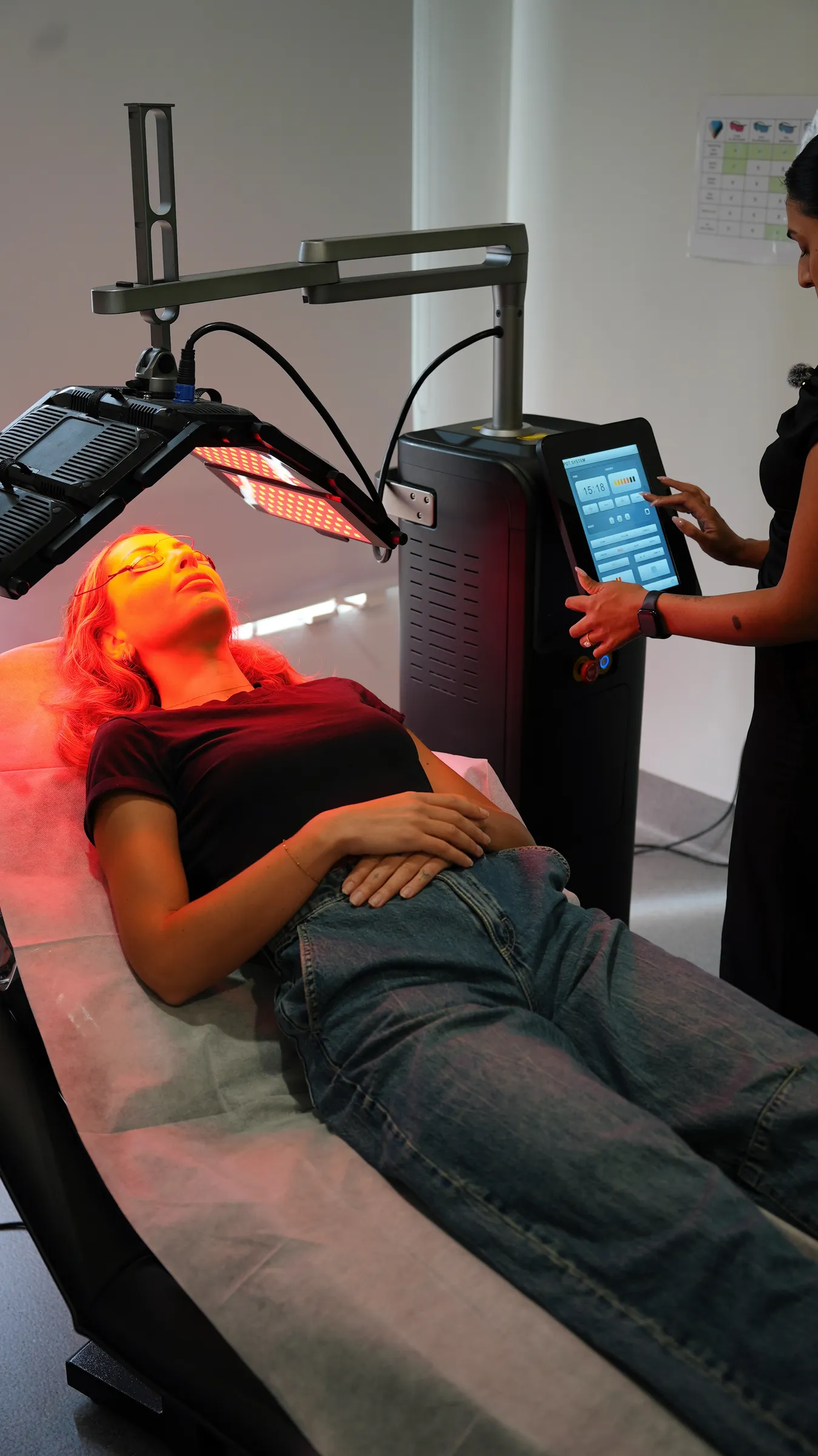 LED Light Therapy
Frequently asked questions.
Anything not covered here is best discussed in your consultation.
PICO Toning is generally well tolerated. Most patients describe a mild snapping, tingling or warm sensation during treatment. The level of sensation varies depending on the treatment area and settings used.
PICO Toning is a non-ablative treatment and generally involves minimal to no downtime. Mild redness, warmth or sensitivity may occur and usually settles relatively quickly.
Some improvement in skin tone and radiance may be noticed following the initial treatments. Pigmentation generally improves progressively as the pigment is fragmented and cleared by the body.
A course of treatments is usually required for more noticeable and sustained improvement.
PICO Toning may be used as part of a carefully managed treatment plan for melasma, but melasma requires an individualised approach.
Because melasma can be triggered or worsened by heat, inflammation and UV exposure, treatment must be carefully selected and combined with strict sun protection and appropriate pigment-control skincare.
Your clinician will assess whether PICO Toning is appropriate for your pigmentation before treatment.
PICO Toning can help reduce the appearance of certain types of pigmentation by targeting pigment within the skin. However, the response depends on the cause, depth and type of pigmentation.
Not all pigmentation responds in the same way, and some pigmentation concerns require a combination treatment approach.
PICO laser treatments may provide some improvement in skin texture and the appearance of certain superficial acne scars by stimulating dermal activity and collagen remodelling. Deeper or more established scarring may require additional treatments.
Yes. In addition to targeting pigment, picosecond laser treatments can stimulate dermal activity and collagen remodelling, which may contribute to improvements in skin texture and overall skin quality.
The number of treatments varies depending on the pigmentation being treated, skin type and individual response. A course of 4–6 or more treatments may be recommended.
Your clinician will assess your skin and develop an individualised treatment plan.
Yes. Most patients can return to work and normal daily activities immediately following treatment. Mild redness or warmth may be visible for a short period.
PICO laser technology can be used across a broad range of skin types; however, treatment settings must be carefully selected according to individual skin type and pigmentation risk.
Patients with darker skin types or a history of post-inflammatory hyperpigmentation may require a more conservative treatment approach.
A consultation and skin assessment are recommended.
Before & after photos.
Individual results vary. Suitability and expected outcomes are discussed in consultation.
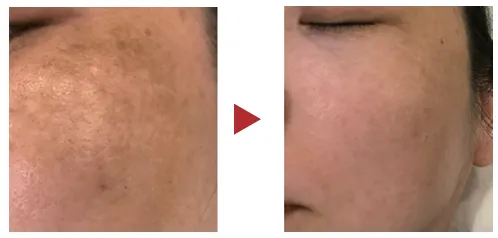
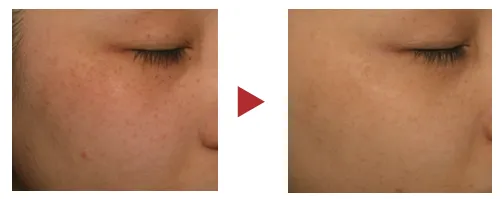
01 / 02
Pricing.
All pricing- PICO Toning
- $190
Assessment comes first.
Book a consultation- Nothing on this page is a diagnosis, and no treatment is recommended before you have been seen.
- Suitability depends on your skin, your history and your medications, which is what the consultation is for.
- If a concern is changing, painful, bleeding or new, have it assessed by a doctor rather than treated cosmetically.