LED Light Therapy
A non-invasive treatment using specific wavelengths of light to support the skin's natural processes, with no downtime.
What is LED Light Therapy?
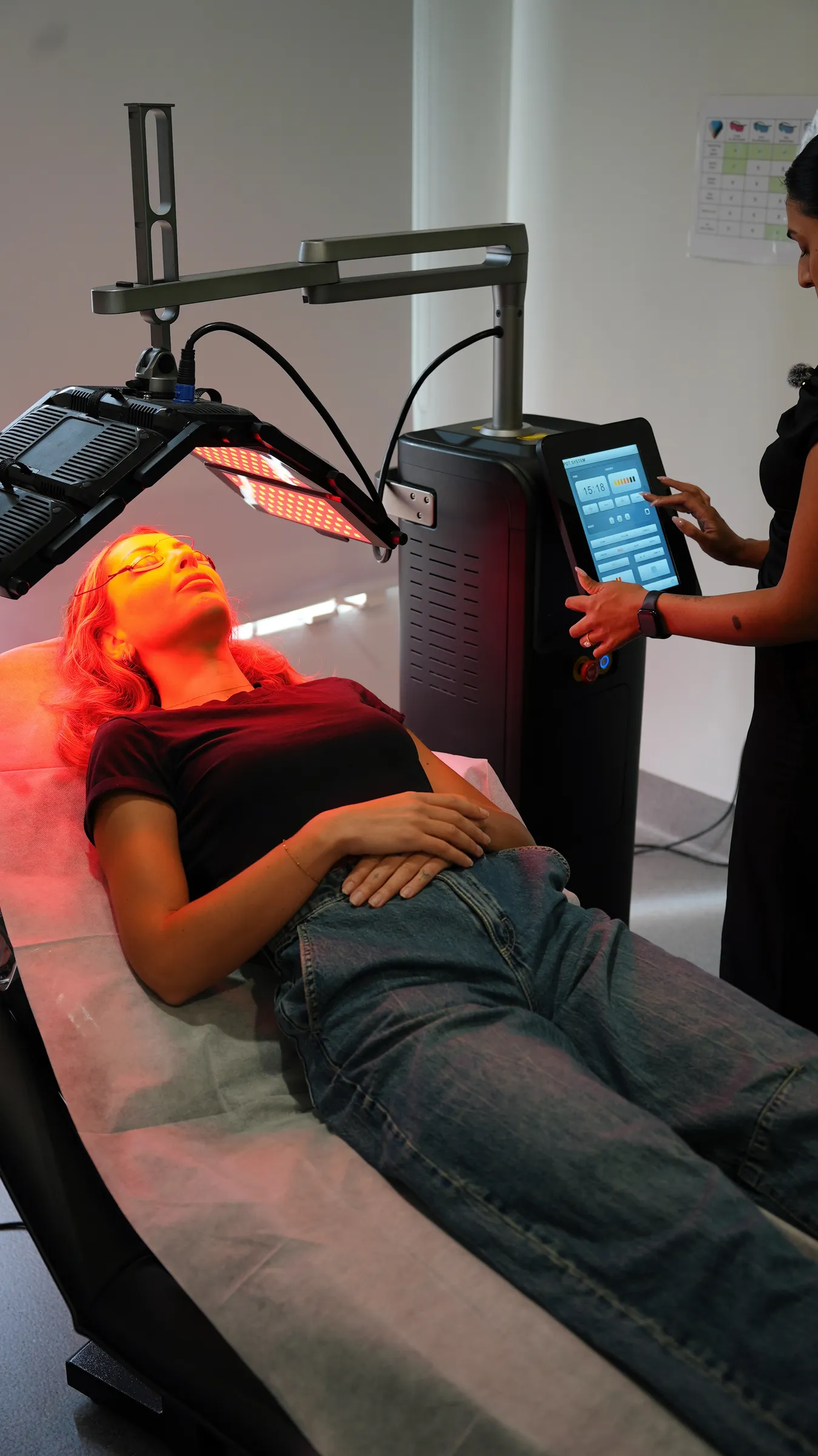
LED Light Therapy is a non-invasive treatment that uses specific wavelengths of light to stimulate and support the skin's natural biological processes.
Different wavelengths penetrate to different depths within the skin and can be selected according to individual concerns. LED therapy can help support collagen production, reduce inflammation and improve overall skin health without damaging the skin's surface.
At a glance
- Treatment time
- 20–30 min
- Downtime
- No downtime
- Sessions
- 4–8+ sessions
- Indications
- Acne, inflammation, redness & skin rejuvenation
- Price
- $99
LED Light Therapy can be performed as a standalone treatment or incorporated into a broader skin treatment program.
What skin concerns can LED Light Therapy improve?
- 01Acne and breakout-prone skin
- 02Inflammation and redness
- 03Skin sensitivity
- 04Fine lines and early signs of ageing
- 05Dull or tired-looking skin
- 06Uneven skin tone
- 07Skin repair and recovery
- 08Overall skin health and radiance
What is involved in LED Light Therapy treatment?
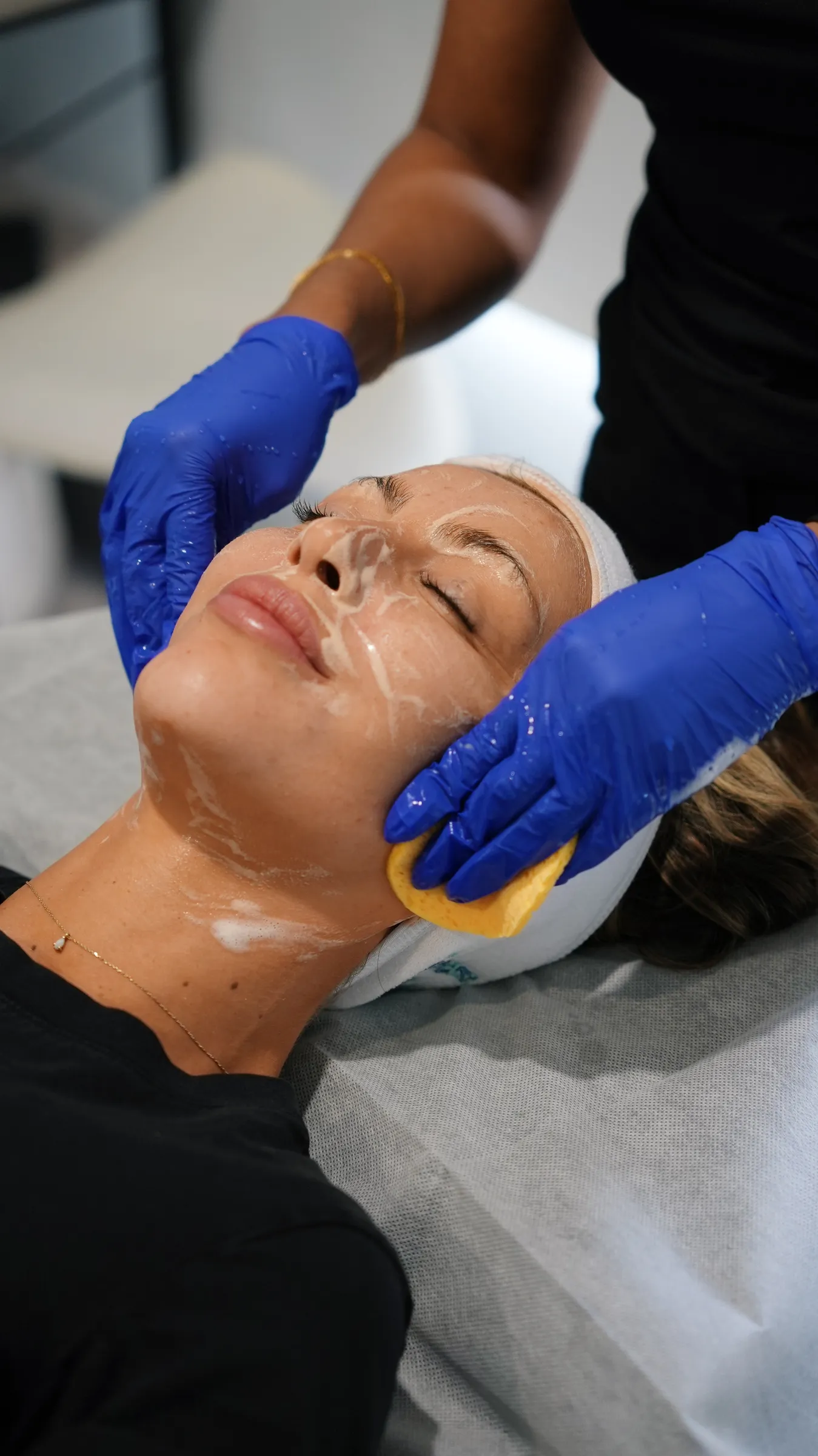
Treatment begins with a gentle cleanse of the skin to remove makeup, oils and skincare products.
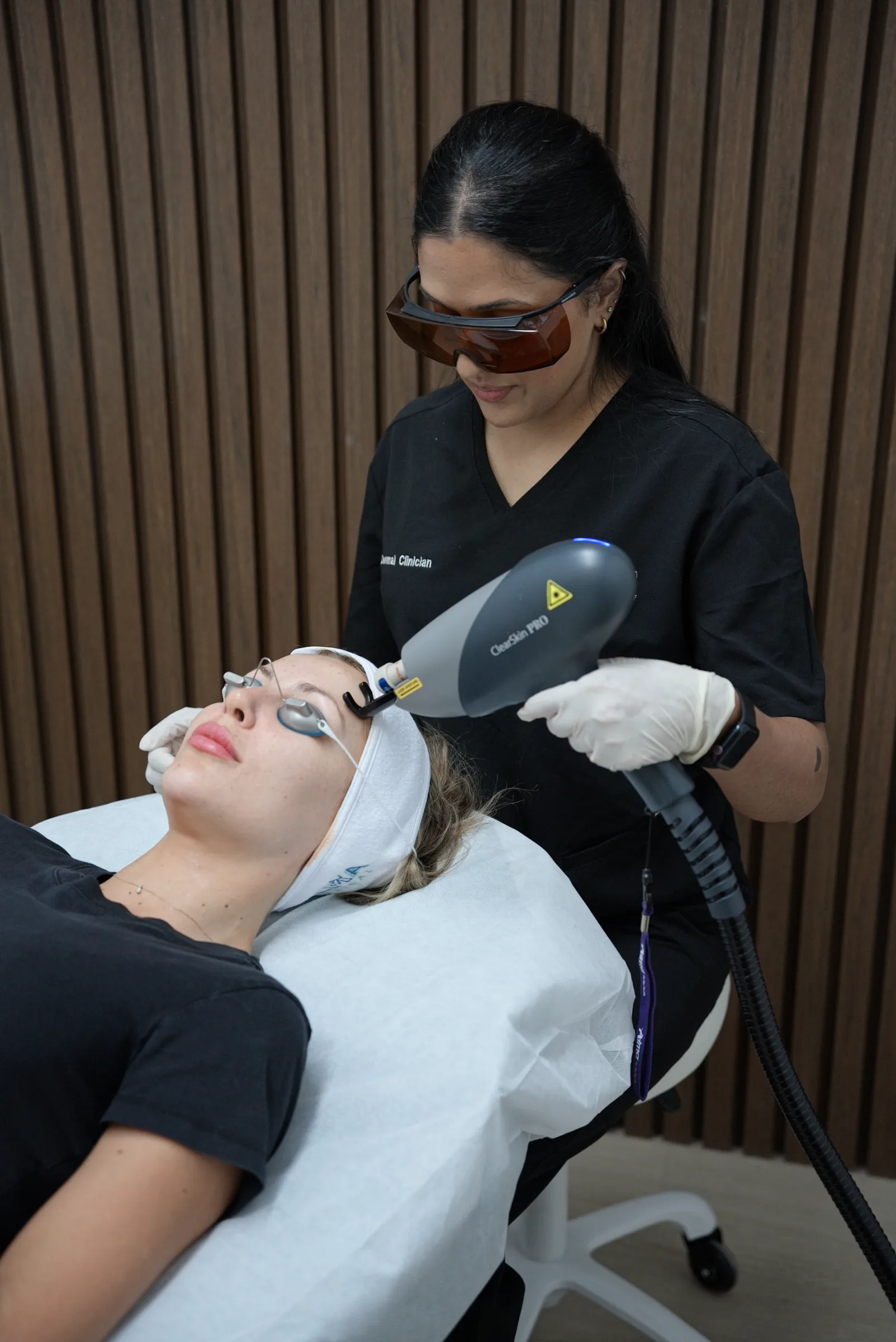
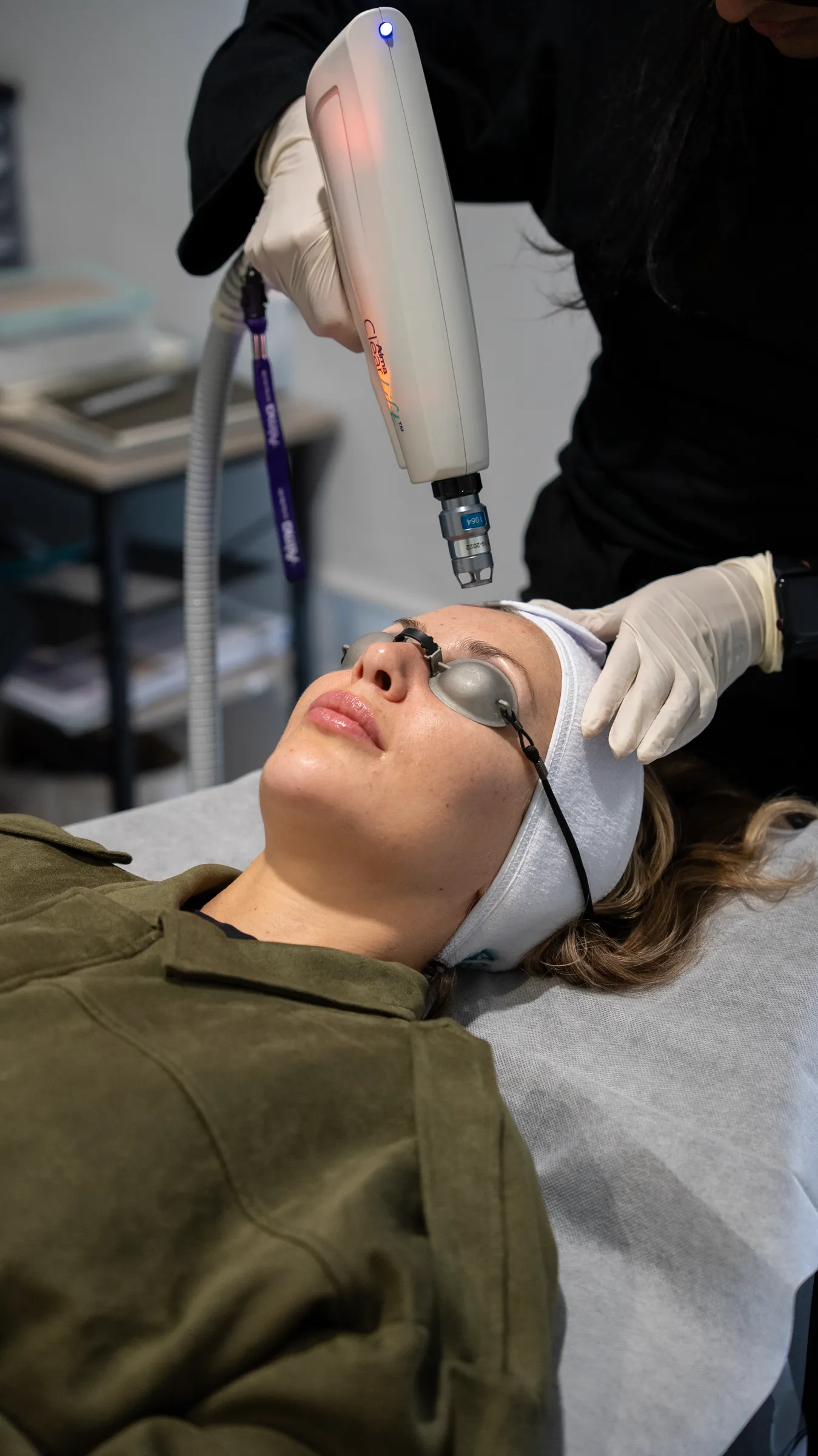
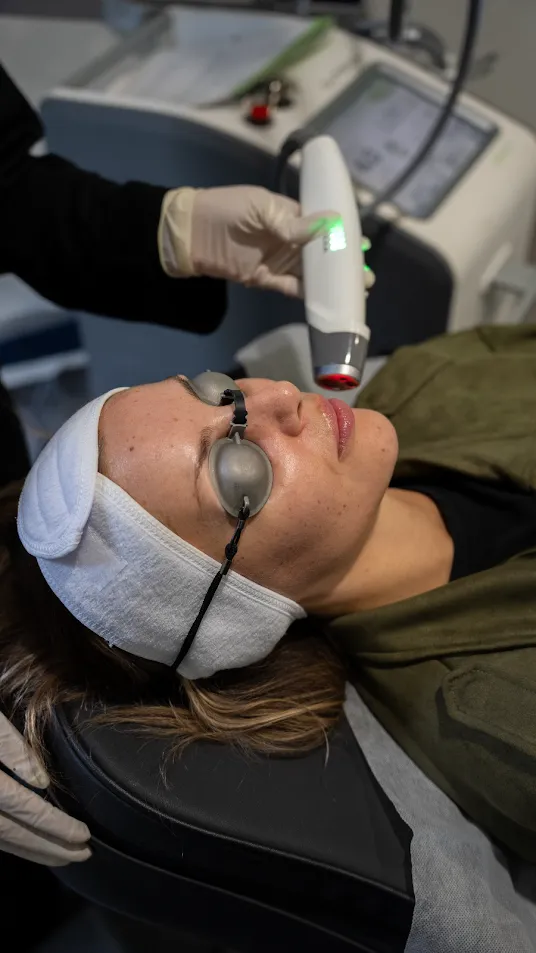
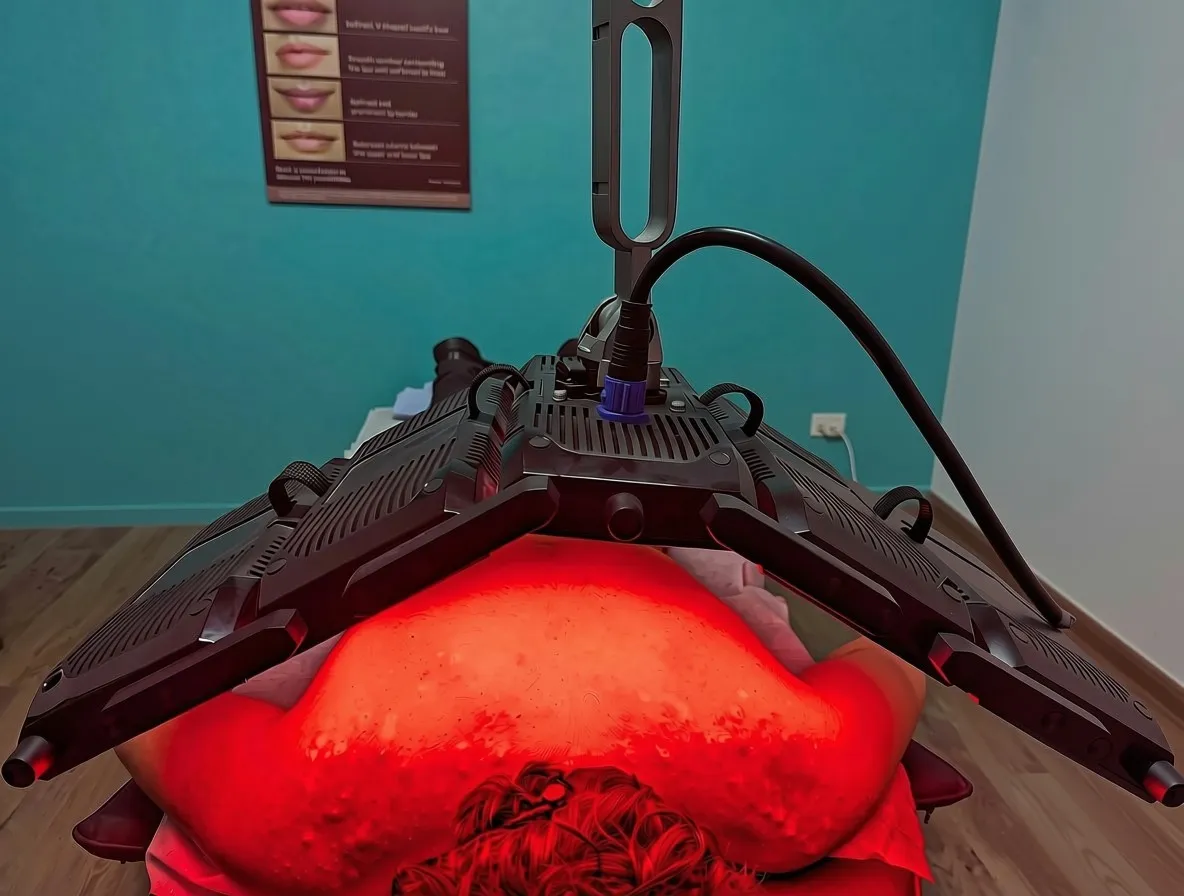
Protective eyewear is provided before the LED device is positioned over the treatment area. The selected wavelength of light is then delivered to the skin for a predetermined period.
The treatment is generally comfortable and relaxing, with most patients experiencing little more than a gentle warmth. LED Light Therapy does not remove or damage the skin's surface.
How can LED Light Therapy improve your skin concerns?
Different wavelengths of LED light interact with the skin in different ways. Red and near-infrared light can penetrate deeper into the skin to support cellular activity, collagen production and the skin's natural repair processes.
Blue light works more superficially and can help target acne-causing bacteria, making it particularly useful for acne-prone skin.
Depending on the wavelength selected, LED Light Therapy can help calm inflammation, support skin recovery and improve the overall appearance and health of the skin.
How to prepare for LED Light Therapy treatment
LED Light Therapy requires minimal preparation. To help achieve the best possible outcome:
- 01
Arrive with clean skin
Arrive with clean skin, free from makeup and skincare products in the treatment area.
- 02
Pause active skincare
Avoid applying irritating active ingredients immediately before treatment unless advised by your clinician.
- 03
Share your history
Inform your clinician about any medications or skincare products you are currently using.
- 04
Space out other treatments
Inform your clinician if you have recently undergone another skin treatment.
- 05
Flag any skin changes
If you have active irritation, infection or an unexplained skin lesion, inform your clinician before treatment.
Your clinician will assess your skin and treatment goals before proceeding and provide personalised instructions where required.
Book a consultation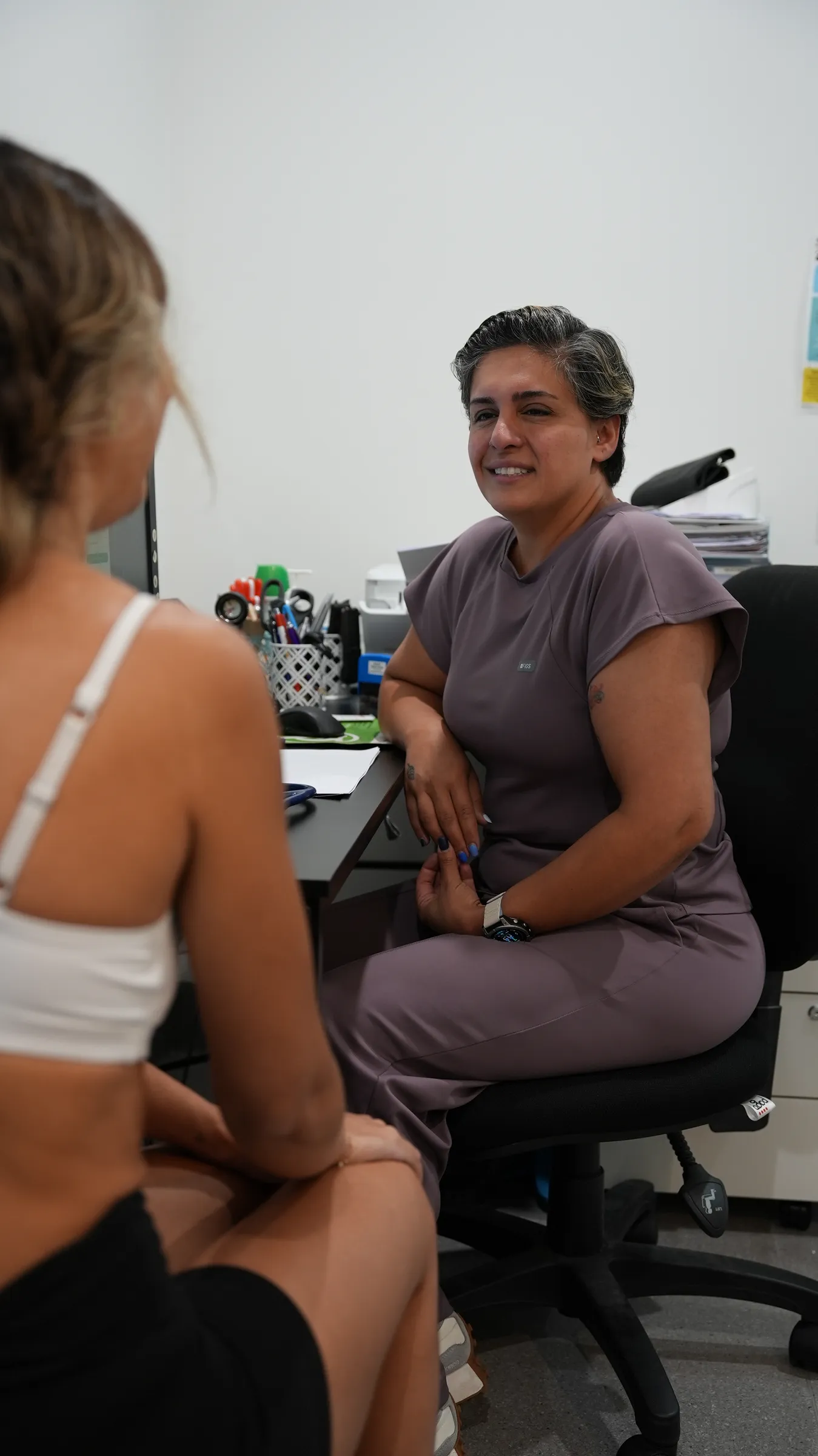
After your treatment
There is generally no downtime following LED Light Therapy, and most patients can return to their normal activities immediately.
Apply broad-spectrum SPF 50+ during the day.
Continue with gentle, hydrating skincare.
Avoid irritating active ingredients if your skin feels sensitive following treatment.
Maintain good sun protection to support overall skin health.
Follow any individualised aftercare instructions provided by your clinician.
What can be done to complement LED Light Therapy?
LED Light Therapy can be used alongside a range of skin treatments, depending on your individual concerns.
Your clinician can recommend an appropriate combination based on your skin condition and treatment goals.
- Laser treatments
 Chemical Peels
- HydraFacial
 Cosmetic Aesthetics
Frequently asked questions.
Anything not covered here is best discussed in your consultation.
No. LED Light Therapy is generally very comfortable. Most patients experience a gentle warmth during treatment.
No. LED Light Therapy is non-invasive and does not damage or remove the surface of the skin. You can generally return to your normal activities immediately following treatment.
Some patients notice that their skin feels calmer and more refreshed after treatment. More noticeable improvements generally develop with consistent treatments over time.
Yes. Blue LED light can help target acne-causing bacteria, while other wavelengths can help reduce inflammation and support skin recovery. LED may be particularly beneficial as part of a broader acne-management plan.
LED therapy may help calm inflammation and reduce the appearance of redness, particularly when the skin is irritated or sensitive.
Red and near-infrared wavelengths can support cellular activity and collagen production, making LED Light Therapy a useful treatment for maintaining skin quality and supporting long-term skin rejuvenation.
Different wavelengths are selected for different skin concerns:
- Blue light — acne and breakout-prone skin
- Red light — skin rejuvenation, inflammation and collagen support
- Near-infrared light — deeper tissue support, skin repair and recovery
Your clinician can recommend the most appropriate wavelength or combination based on your skin's needs.
LED Light Therapy generally works best as a course of treatments. The recommended number and frequency will depend on your skin concerns and treatment goals. Regular maintenance treatments may also be recommended to support ongoing skin health.
LED Light Therapy is suitable for many skin types; however, individual suitability depends on your skin condition, medications and medical history. A consultation is recommended if you have a photosensitive condition or take medications that may increase sensitivity to light.
Pricing.
All pricing- LED Light Therapy
- $99
Assessment comes first.
Book a consultation- Nothing on this page is a diagnosis, and no treatment is recommended before you have been seen.
- Suitability depends on your skin, your history and your medications, which is what the consultation is for.
- If a concern is changing, painful, bleeding or new, have it assessed by a doctor rather than treated cosmetically.