Chemical Peels
Professional skin treatments that use carefully selected acids to exfoliate and resurface the outer layers of the skin and stimulate skin renewal.
What are Chemical Peels?
Chemical peels are professional skin treatments that use carefully selected acids to exfoliate and resurface the outer layers of the skin and stimulate skin renewal. Different peel formulations and strengths can be selected according to your skin type and concerns.
At a glance
- Treatment time
- 30–45 min
- Downtime
- Minimal to moderate downtime
- Sessions
- 3–6 sessions
- Indications
- Acne, pigmentation, congestion, texture & skin rejuvenation
- Price
- $149
The level of peeling and downtime varies depending on the type and strength of the peel selected.
What skin concerns can Chemical Peels improve?
- 01Acne and breakout-prone skin
- 02Congested pores and excess oil
- 03Uneven skin texture
- 04Dull or tired-looking skin
- 05Uneven skin tone
- 06Superficial pigmentation
- 07Sun-related pigmentation
- 08Post-inflammatory pigmentation
- 09Fine lines
- 10Mild acne scarring
- 11Enlarged pores
What is involved in a Chemical Peel treatment?
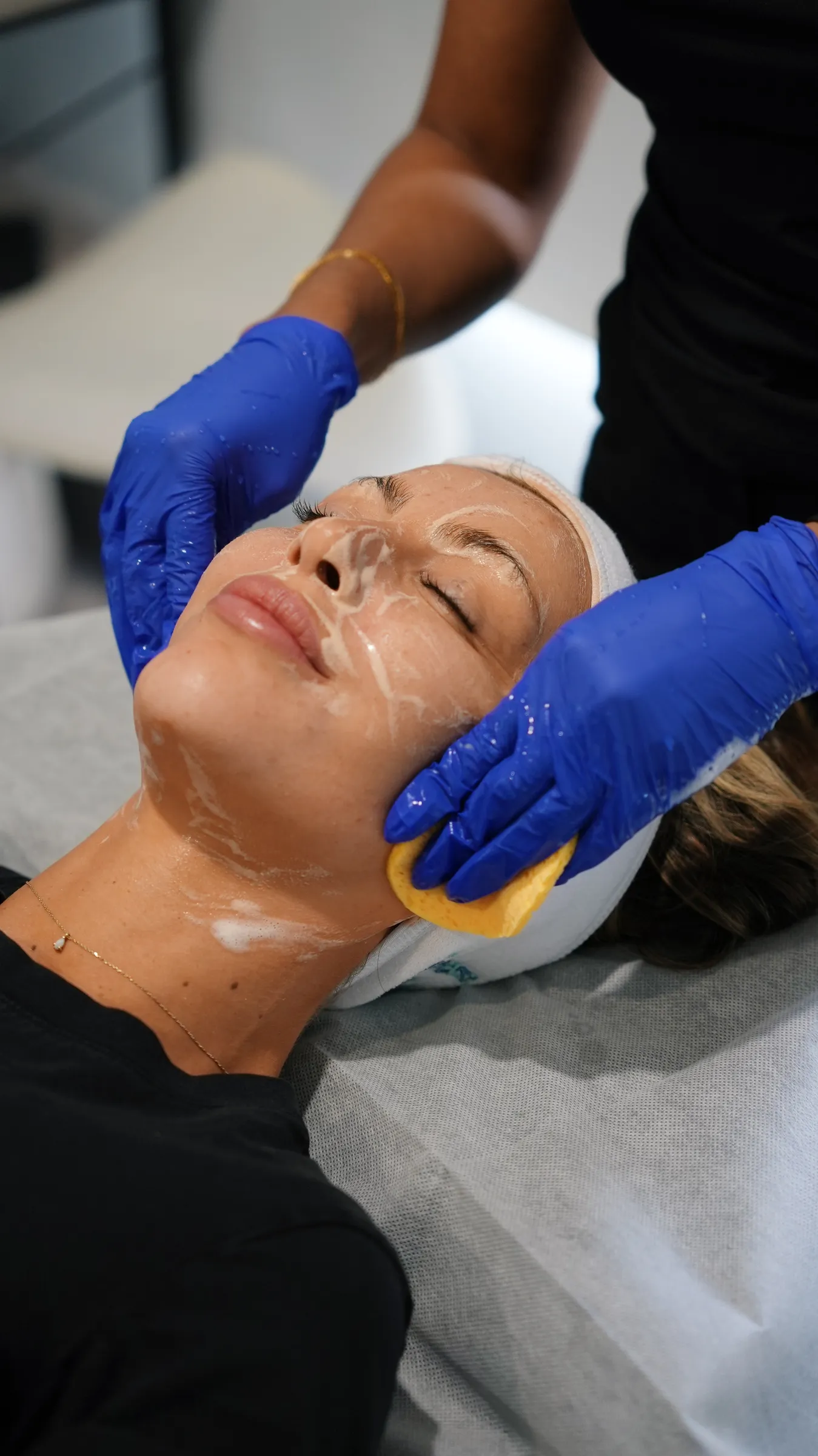
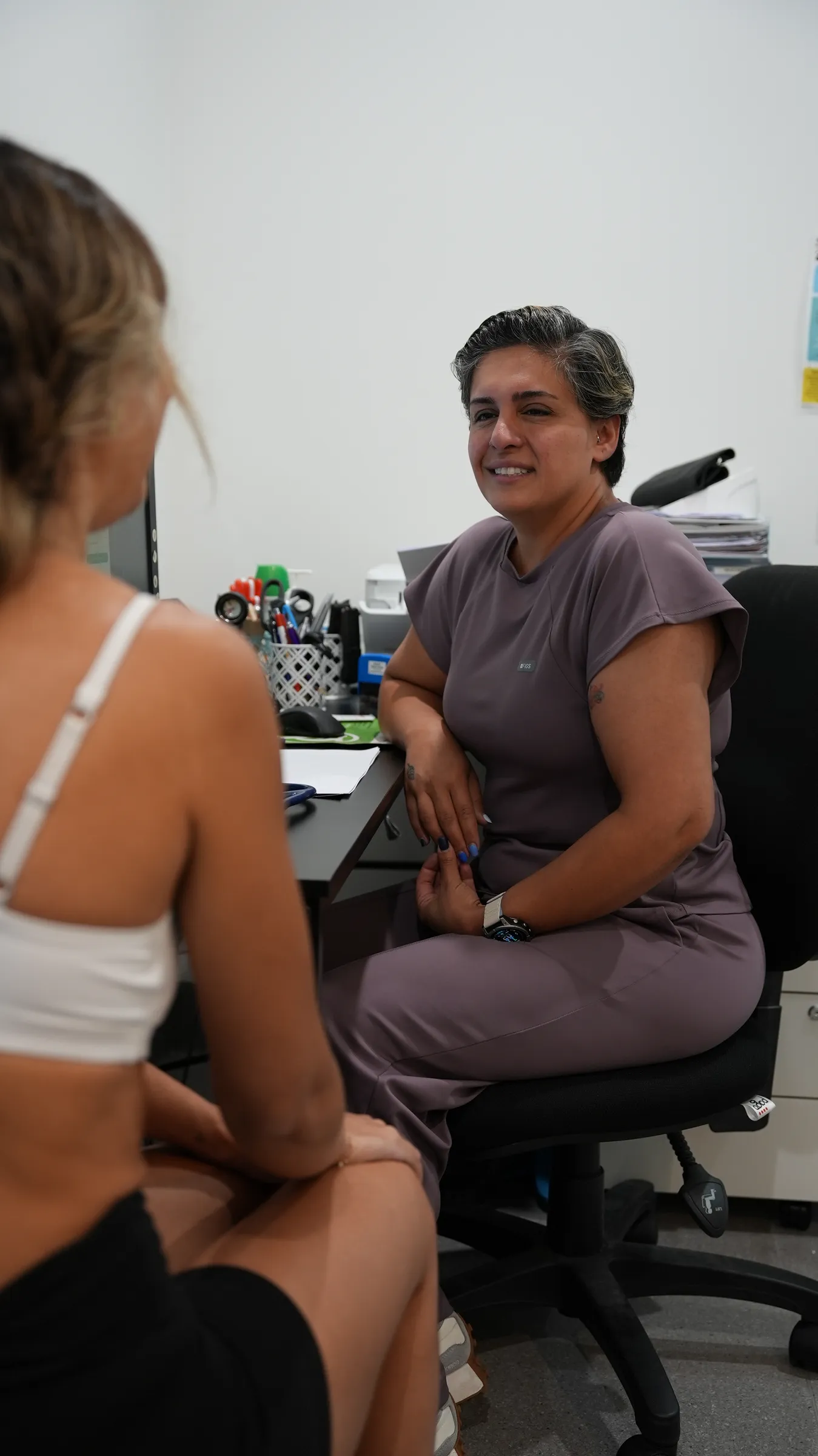
Treatment begins with a thorough cleanse of the skin to remove makeup, oils and impurities. Your clinician will assess your skin and select the most appropriate peel formulation and strength based on your individual concerns.
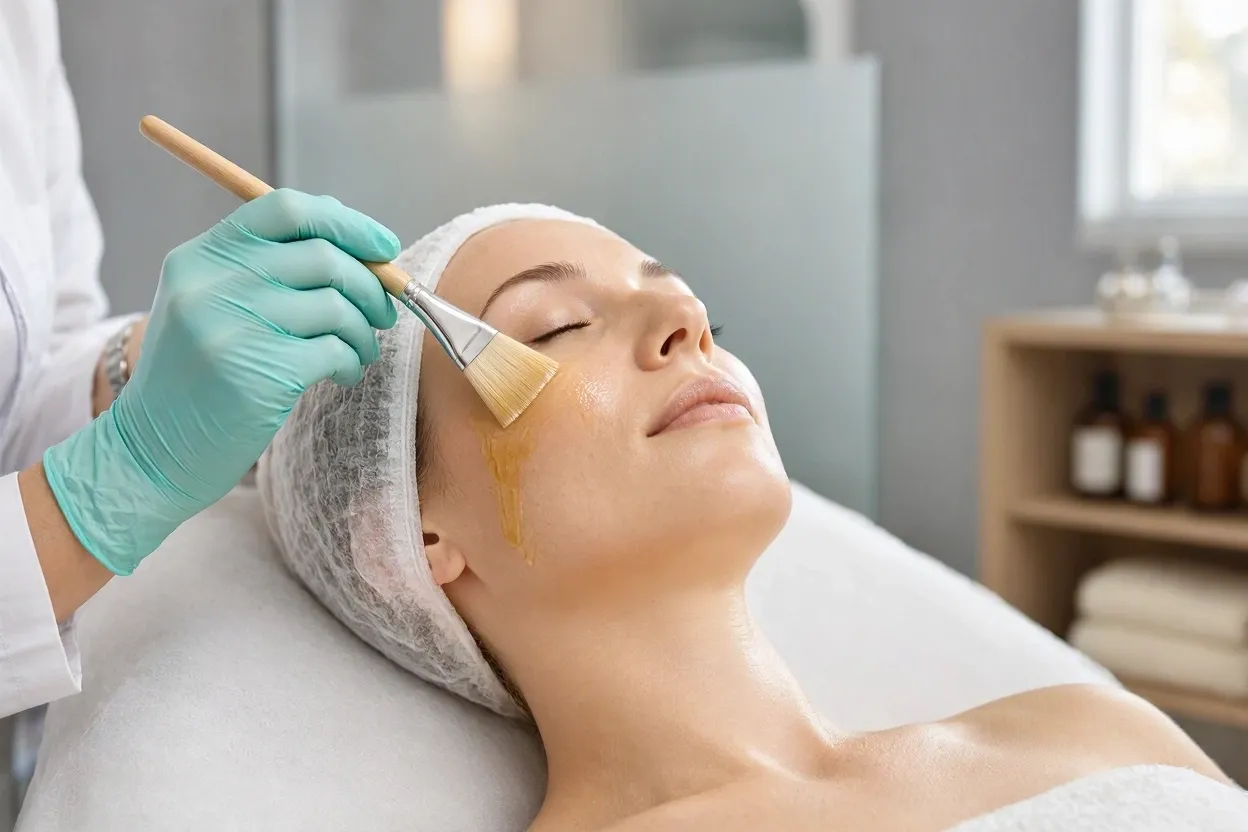
The peel solution is carefully applied to the treatment area and left on the skin for a controlled period. You may experience a mild tingling, warmth or stinging sensation during application.
The treatment endpoint varies depending on the type of peel used. Some peels produce minimal visible peeling, while others may result in increased dryness, flaking or peeling over the following days.
How can Chemical Peels improve your skin concerns?
Chemical peels work by promoting controlled exfoliation of the skin's outer layers. This removes accumulated dead skin cells and encourages the formation of newer, healthier skin.
Depending on the formulation, chemical peels can also help regulate excess oil, improve congestion, reduce the appearance of superficial pigmentation and support collagen production.
With a course of treatments, this can result in smoother texture, clearer pores, more even pigmentation and a brighter complexion.
How to prepare for a Chemical Peel treatment
To minimise the risk of irritation and support the best possible outcome:
- 01
Protect from the sun
Avoid excessive sun exposure and tanning before your treatment. Apply broad-spectrum SPF 50+ sunscreen daily.
- 02
Pause active skincare
Avoid using retinoids, strong exfoliating acids or other irritating active ingredients for the period recommended by your clinician.
- 03
Avoid waxing, threading or other hair-removal treatments in the treatment area shortly before your peel.
- 04
Space out other treatments
Avoid aggressive skin treatments, including laser resurfacing or other peels, unless advised by your clinician.
- 05
Arrive with clean skin
Arrive with clean skin and inform your clinician of any skincare products or medications you are using.
- 06
Flag any skin changes
Inform your clinician if you have a history of cold sores.
- 07
Flag any skin changes
If you have active irritation, infection, open skin or an unexplained skin lesion, inform your clinician before treatment.
Your clinician will provide personalised preparation instructions based on the specific peel selected.
Book a consultation
After your treatment
Aftercare will vary depending on the type and strength of your chemical peel.
Apply broad-spectrum SPF 50+ and minimise direct sun exposure.
Keep the skin hydrated with a gentle, non-irritating moisturiser.
Avoid picking, rubbing or manually removing peeling skin.
Avoid exfoliating products, retinoids and other strong active ingredients until your skin has fully recovered or as advised by your clinician.
Avoid excessive heat, including saunas, steam rooms and very hot showers, if your skin feels sensitive.
Avoid waxing or other potentially irritating treatments until the skin has recovered.
Follow all individualised aftercare instructions provided by your clinician.
What can be done to complement Chemical Peels?
Chemical peels can be incorporated into a broader skin treatment plan and may be complemented with:
Your clinician will recommend the most appropriate combination based on your skin condition and treatment goals.
Frequently asked questions.
Anything not covered here is best discussed in your consultation.
Most chemical peels are well tolerated. You may experience a mild tingling, warmth or stinging sensation during treatment. The sensation and intensity will vary depending on the type and strength of the peel.
Downtime varies depending on the peel used. Some superficial peels have little to no visible downtime, while stronger peels may cause redness, dryness, flaking or peeling for several days.
Your clinician will explain the expected recovery period before treatment.
Your skin may appear brighter and smoother following the initial healing period. With a course of treatments, progressive improvements in texture, congestion, pigmentation and overall skin clarity can develop.
Yes. Certain chemical peels can help manage acne by exfoliating dead skin cells, reducing congestion and helping regulate excess oil. They may also help improve the appearance of post-acne marks.
Chemical peels can help reduce the appearance of certain types of superficial pigmentation by promoting controlled exfoliation and skin renewal.
Pigmentation can have many different causes, so your clinician will assess your skin before selecting the most appropriate treatment.
Chemical peels may improve the appearance of mild superficial acne scarring and uneven texture. Deeper or more established acne scars may require a combination of treatments.
Treatment frequency depends on the type and strength of the peel, your skin condition and your treatment goals. Your clinician will recommend an appropriate interval to allow the skin to recover between treatments.
This depends on the type and strength of the peel. Your clinician will advise you when makeup can safely be reapplied.
Chemical peels can be tailored to many different skin types and concerns. However, the choice of peel and treatment strength is particularly important for patients prone to pigmentation or sensitivity.
A consultation and skin assessment are recommended before treatment.
A course of 3–6 treatments is commonly recommended, depending on your skin concerns and the type of peel selected. It is also an ideal treatment for maintenance. Your clinician will develop an individualised treatment plan and may recommend maintenance treatments to support your results.
Pricing.
All pricing- Chemical Peel & LED Light Therapy
- $149
Assessment comes first.
Book a consultation- Nothing on this page is a diagnosis, and no treatment is recommended before you have been seen.
- Suitability depends on your skin, your history and your medications, which is what the consultation is for.
- If a concern is changing, painful, bleeding or new, have it assessed by a doctor rather than treated cosmetically.