Skin tags
At Telma Medical Skin Clinic, we understand that skin tags can be a common cosmetic concern, particularly in areas where the skin experiences friction. Our personalised treatment approach focuses on assessing skin tags and determining suitable removal options to help achieve smoother-looking skin.

What are skin tags?
Skin tags are small, soft, benign growths that commonly develop on areas such as the neck, underarms, eyelids and skin folds. They are usually harmless but may catch on clothing, jewellery or become irritated through friction.
What causes skin tags?
Skin tags are associated with factors such as genetics, ageing, friction and hormonal changes. They are more common in adults and may develop more frequently in areas where skin rubs against skin or clothing.
Any new, changing, bleeding or unusual skin growth should be medically assessed before removal to confirm the diagnosis.

Types of skin tags we address
- 01
Small skin tags
Small, soft growths may develop around the neck, underarms and other areas of the body. Suitable removal methods depend on their size, location and characteristics.
- 02
Raised skin lesions
Some raised skin lesions may resemble skin tags but can have a different underlying cause. Assessment is important to determine whether cosmetic removal is appropriate.
- 03
Skin tags in friction-prone areas
Skin tags commonly develop in skin folds, including the neck, underarms and groin, where friction may cause irritation or discomfort.
Recommended treatments.
Suitability is confirmed in consultation, once your skin has been assessed.
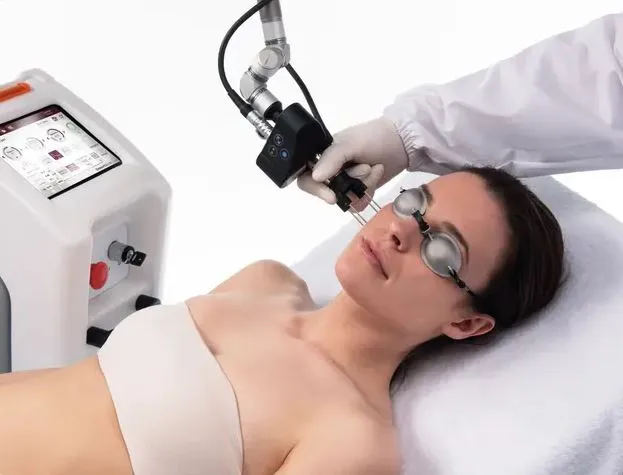

The benefits of professional skin tag removal
Suitable treatment may help to:
Remove selected benign skin tags.
Reduce irritation caused by friction.
Improve the appearance of the affected area.
Achieve a smoother looking skin surface.
Provide individualised care based on lesion location and characteristics.
Results and healing time vary depending on the removal method, lesion size and location. Temporary redness, scabbing, pigment changes or scarring may occur.
Assessment comes first.
Book a consultation- Nothing on this page is a diagnosis, and no treatment is recommended before you have been seen.
- Suitability depends on your skin, your history and your medications, which is what the consultation is for.
- If a concern is changing, painful, bleeding or new, have it assessed by a doctor rather than treated cosmetically.